We care about your data, and we'd use cookies only to improve your experience. By using this website, you accept our Privacy Policy


 Optimize Staffing: Access Bundle Staffing & Secure Surety Shifts to Transform Care.
  Love at First Sight Staffing: The Only Risk-Free Nurse Solution. Guaranteed.
Optimize Staffing: Access Bundle Staffing & Secure Surety Shifts to Transform Care.
Love at First Sight Staffing: The Only Risk-Free Nurse Solution. Guaranteed.
Love at First Sight Staffing: The Only Risk-Free Nurse Solution. Guaranteed.
Optimize Staffing: Access Bundle Staffing & Secure Surety Shifts to Transform Care.
Love at First Sight Staffing: The Only Risk-Free Nurse Solution. Guaranteed.


🍽️ Beyond the Menu: Making Resident Meetings a 5-Star Experience
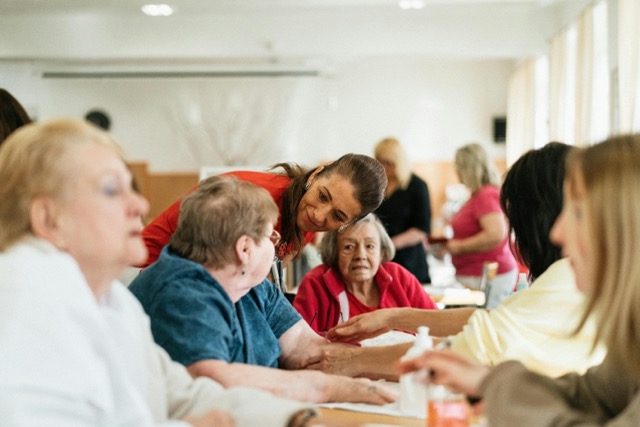
We often talk about resident communication, but what does truly meaningful communication look like in a long-term care (LTC) setting? We recently observed one of the most effective and deeply satisfying meetings we've ever found, and it centered not in a clinical review, but in the Dining Room with the Dietary Manager.
This wasn't just a meeting; it was a masterclass in making residents feel heard, valued, and loved.
The Power of the Right Question
The Dietary Manager started the meeting not with a defensive review of the past week, but with two simple, open-ended questions:
This simple reframing instantly created a positive, collaborative environment. The residents took center stage.
They began their conversations, sharing their culinary memories, their likes, and their dreams for the next meal.
The incredible result was that even residents who couldn't communicate verbally knew they were heard and represented by their fellow residents. A nod, a smile, a focused listening gaze—all validated their presence. What was accomplished was allowing the people on center stage to become the center of the show.
From Complaints to Collaboration
The difference between a standard resident council meeting and this one was the Dietary Manager's shift in mindset.
Too often, these meetings devolve into a space for staff to feel defensive about complaints ("My team is bad at this"). This Manager, however, approached the discussion with poise and an open heart:
"Wow—what can we do to improve the experience for residents?"
This small change in perspective transformed the meeting from a defensive posture into a powerful engine for improvement. The focus was taken off past failures and placed squarely on future success and belonging.
The Need for Cultural Competence
This meeting becomes even more impactful when the Dietary Manager understands the diverse ethnic backgrounds of the residents. Many residents have spent decades cooking and enjoying the distinct foods of their lifetime and culture. Moving into an LTC home often means losing that connection to their heritage through food.
By asking, "What can I add or cook?", the manager opens the door to:
Making the Nursing Facility “Home”
This focused discussion wasn't just about better food; it cultivated a profound sense of belonging and living in a completely different way than they might be used to. It signaled:
When simple, human-centered communication is prioritized, the nursing home becomes less of a "facility" and truly becomes their home.
How could your facility replicate this success by applying this "center of the show" approach to another department, such as Activities or Maintenance?
We commit to provide excellent service and competitive staffing rates. Please allow 24-72 hours for staffing rate quotes.